The Langtang Helambu Trek Nepal is one of the most beautiful and culturally rich trekking adventures in the Himalayas, offering breathtaking mountain scenery, sacred Buddhist heritage, peaceful villages, and unforgettable Himalayan landscapes. Located north of Kathmandu, the Langtang Helambu Trek Nepal combines natural beauty, spiritual experiences, and authentic mountain culture into one extraordinary trekking journey.
Unlike crowded trekking routes, the Langtang Helambu Trek Nepal offers a quieter and more authentic Himalayan experience, making it perfect for travelers seeking both adventure and spiritual connection. From the stunning Langtang Valley to the sacred lakes of Gosaikunda and the peaceful Helambu region, every step of the trek reveals the timeless beauty of Nepal’s mountains and culture.
Whether you are an experienced trekker, nature lover, photographer, or spiritual traveler, the Langtang Helambu Trek Nepal provides an extraordinary Himalayan adventure close to Kathmandu.
Why the Langtang Helambu Trek Nepal is Famous
The Langtang Helambu Trek Nepal is famous for its unique combination of natural beauty, cultural heritage, and spiritual significance. The trekking route passes through traditional Tamang and Hyolmo villages where ancient Tibetan Buddhist traditions continue to shape daily life.
Trekkers experience:
- Spectacular Himalayan mountain views
- Sacred Buddhist monasteries and meditation caves
- Beautiful forests and waterfalls
- Traditional mountain villages
- Glacial rivers and alpine lakes
- Rich Tibetan-influenced culture
- Peaceful trekking trails away from large crowds
One of the biggest highlights of the trek is the sacred Gosaikunda Lake, a holy pilgrimage destination for both Hindus and Buddhists.
Exploring the Beautiful Langtang Valley
The Langtang Valley is one of Nepal’s most scenic Himalayan regions. Surrounded by towering snow-capped peaks, glaciers, forests, and yak pastures, the valley offers breathtaking views throughout the journey.
The trek usually begins from Syabrubesi, a traditional mountain village located north of Kathmandu. As trekkers move deeper into Langtang National Park, the landscape gradually changes from green forests and rivers to dramatic alpine terrain.
Popular highlights of the Langtang Valley include:
- Kyanjin Gompa
- Langtang Village
- Yak cheese factories
- Glacial rivers
- Langtang Lirung mountain views
- Traditional Tamang settlements
The peaceful atmosphere and stunning scenery make Langtang one of the most rewarding trekking destinations in Nepal.
Spiritual Experience in the Helambu Region
The Helambu region is widely known for its spiritual significance and ancient Buddhist heritage. Historically called Yalmoganriwa, the valley has been an important center for meditation and Tibetan Buddhism for centuries.
Throughout the trek, travelers encounter:
- Ancient monasteries
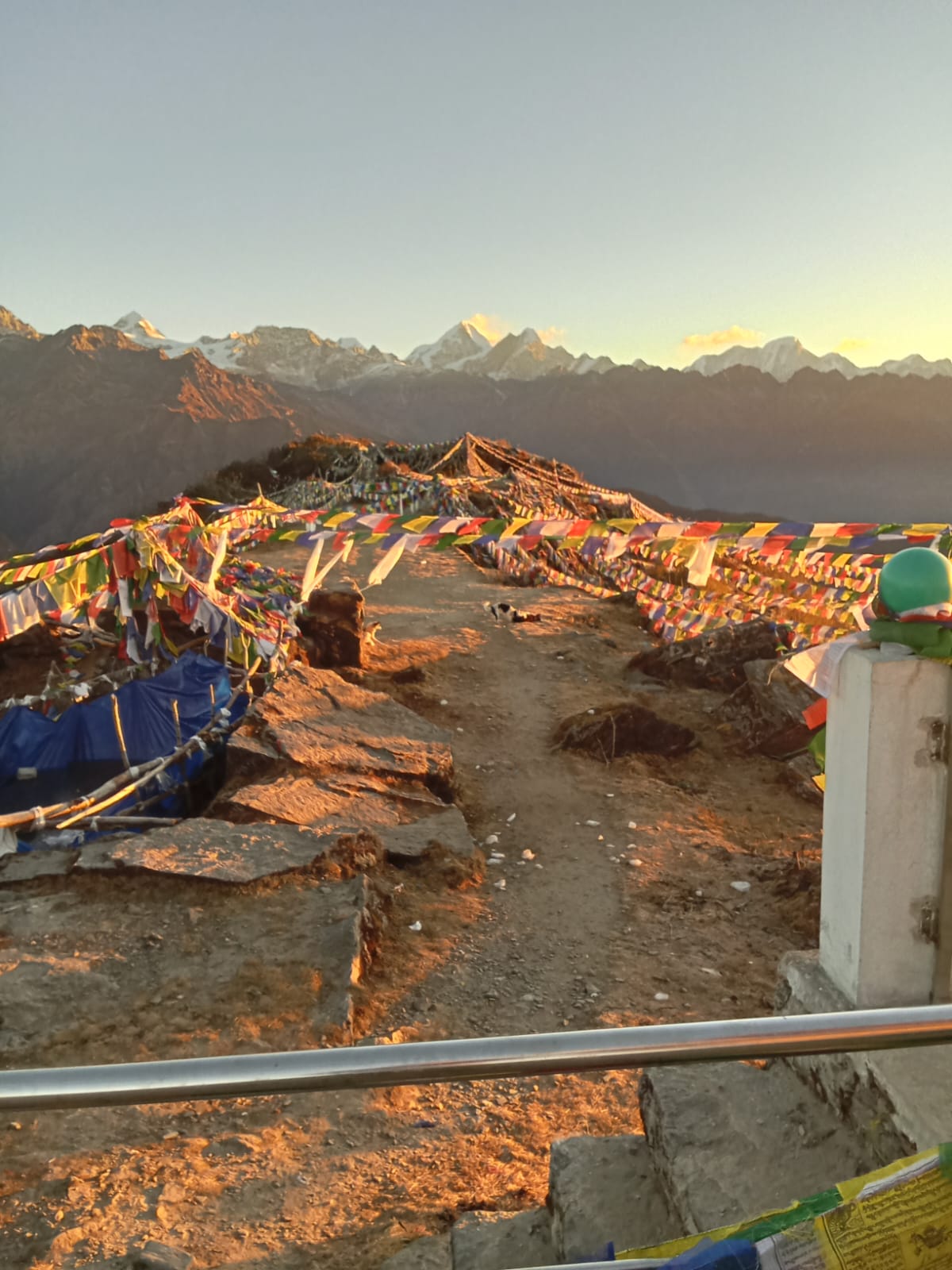
- Prayer wheels and mani walls
- Meditation caves
- Colorful prayer flags
- Sacred Buddhist sites
- Traditional Hyolmo culture
One of the important spiritual landmarks is Yangrima Danda, associated with the protective female deity Dharmapal Ama Yangri. Many monasteries in the region continue to host long meditation retreats for Buddhist practitioners from around the world.
The peaceful environment of Helambu creates a perfect balance between trekking adventure and spiritual exploration.
Sacred Gosaikunda Lake Trek Experience
The sacred Gosaikunda Lake is another major highlight of the Langtang Helambu Trek Nepal. Located at an altitude of approximately 4,380 meters, this glacial alpine lake holds deep religious importance for both Hindus and Buddhists.
According to Hindu mythology, the lake was created by Lord Shiva. Every year, thousands of pilgrims visit Gosaikunda during the Janai Purnima festival.
The trail to Gosaikunda offers:
- Stunning mountain views
- High-altitude landscapes
- Sacred lakes and temples
- Snow-covered mountain passes
- Beautiful sunrise and sunset scenery
Crossing Lauribina Pass near Gosaikunda is one of the most exciting parts of the trek.
Mountain Views During the Langtang Helambu Trek Nepal
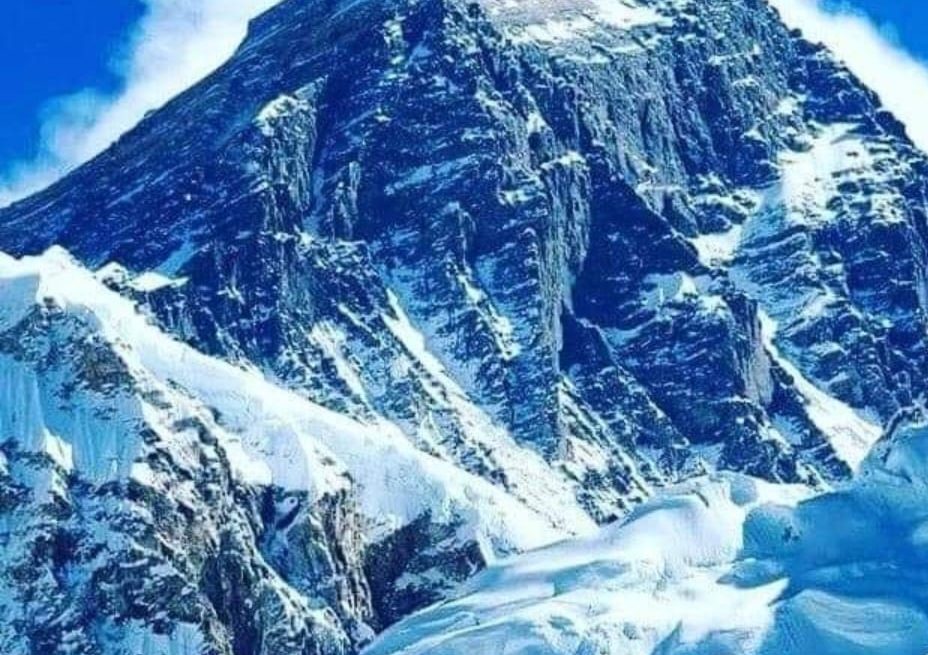
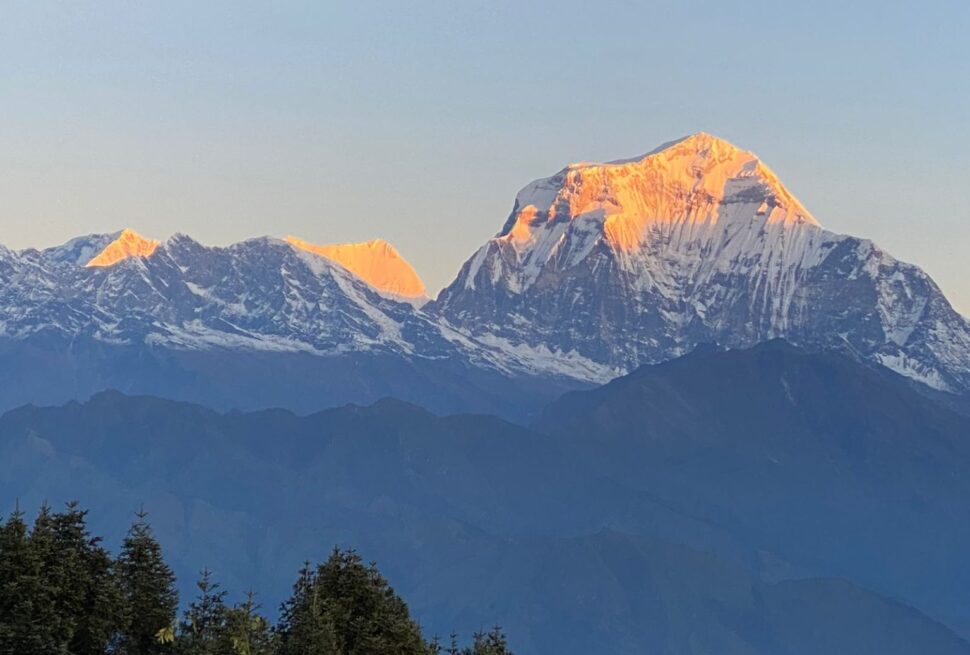
The Langtang region offers incredible Himalayan panoramas throughout the trek. Trekkers can enjoy spectacular views of:
- Langtang Lirung
- Dorje Lakpa
- Ganesh Himal
- Shishapangma
- Langtang Ri
- Yala Peak
The combination of glaciers, forests, rivers, waterfalls, and snow-capped mountains creates an unforgettable Himalayan landscape.
Cultural Experience on the Langtang Helambu Trek Nepal
The Langtang Helambu Trek Nepal provides a unique opportunity to experience the culture and lifestyle of Himalayan communities.
The region is home to:
- Tamang people
- Hyolmo communities
- Tibetan Buddhist traditions
Travelers can experience:
- Traditional mountain villages
- Local food and hospitality
- Buddhist ceremonies and monasteries
- Handmade crafts and local culture
- Ancient Himalayan traditions
The warm hospitality of local communities adds a special cultural dimension to the trekking experience.
Best Time for Langtang Helambu Trek Nepal
Choosing the right trekking season is important for clear mountain views and safe trail conditions.
Spring Season (March to May)
Spring is one of the best times for the Langtang Helambu Trek Nepal. Rhododendron forests bloom beautifully, temperatures are comfortable, and the skies remain clear.
Autumn Season (September to November)
Autumn is the most popular trekking season because of stable weather, excellent visibility, and pleasant trekking temperatures.
Winter Season (December to February)
Winter trekking is possible, but heavy snowfall may affect higher-altitude sections of the trail.
Monsoon Season (June to August)
Monsoon brings rainfall, muddy trails, and reduced mountain visibility in lower regions.
Is the Langtang Helambu Trek Nepal Difficult?
The Langtang Helambu Trek Nepal is considered a moderate trekking route suitable for trekkers with basic fitness preparation.
Trekkers should prepare for:
- Daily walking of 5–7 hours
- Moderate altitude
- Mountain weather changes
- Uphill and downhill trekking trails
The trek does not require technical climbing skills, making it accessible for many adventure travelers.
Tea House Experience During the Trek
Tea house trekking is one of the highlights of trekking in Nepal. Along the Langtang Helambu route, trekkers stay in traditional mountain lodges operated by local families.
Tea houses generally provide:
- Comfortable rooms
- Traditional Nepalese meals
- Hot tea and coffee
- Warm hospitality
- Shared dining areas
Popular meals include Dal Bhat, noodles, soups, fried rice, pancakes, tea, and Tibetan bread.
Responsible Trekking in Nepal
Responsible tourism helps preserve Nepal’s mountain environment and supports local communities.
Travelers are encouraged to:
- Respect local traditions and culture
- Avoid plastic waste
- Support local businesses
- Follow trekking guidelines
- Protect forests and wildlife
Sustainable travel ensures the beauty of the Himalayas remains protected for future generations.
Travel Tips for Langtang Helambu Trek Nepal
Before starting the trek, proper preparation is essential.
Important Trekking Tips
- Carry proper trekking gear
- Stay hydrated during the trek
- Walk slowly at higher altitudes
- Hire a licensed trekking guide
- Purchase travel insurance
- Pack warm clothing and trekking boots
- Respect local customs and monasteries
Good preparation makes the trekking experience safer and more enjoyable.
More Details About Langtang Helambu Trek Nepal
For complete itinerary, pricing, permits, accommodation, transportation, and booking information, please visit our official trekking pages:
👉 https://sherpamountaintrek.com/
👉 https://sherpamountaintrek.com/trip/
You can also explore more trekking adventures and Nepal travel experiences on our website.
Nepal Tourism and Travel Information
Travelers planning trekking adventures in Nepal can learn more from the official Nepal Tourism Board website:
For mountain weather forecasts and Himalayan trail conditions, visitors can also check:
👉 https://www.mountain-forecast.com/
Frequently Asked Questions
How difficult is the Langtang Helambu Trek Nepal?
The trek is considered moderate and suitable for trekkers with average fitness levels.
What is the best season for Langtang Helambu Trek Nepal?
Spring and autumn are considered the best trekking seasons.
How many days does the Langtang Helambu Trek take?
Most itineraries range from 10 to 16 days depending on the route.
Is Gosaikunda Lake included in the trek?
Many Langtang Helambu trekking routes include the sacred Gosaikunda Lake area.
Do I need a guide for the Langtang Helambu Trek Nepal?
Hiring a licensed trekking guide is highly recommended for safety and cultural understanding.
Conclusion
The Langtang Helambu Trek Nepal is a perfect combination of Himalayan adventure, spiritual exploration, mountain culture, and natural beauty. From peaceful monasteries and sacred alpine lakes to breathtaking mountain landscapes and traditional Himalayan villages, this trek offers a truly unforgettable experience in Nepal.
Whether you are searching for adventure, cultural immersion, photography opportunities, or spiritual peace, the Langtang Helambu Trek Nepal promises a life-changing Himalayan journey.